Why Building Capacity Is Key to Deliver Better Global Health Outcomes
A new study from the Center for Global Pediatric Health explores neurocognitive challenges for young adults with HIV. Many adolescents and young adults who were born with HIV continue to experience challenges with memory, attention and other thinking skills—even when their HIV is well controlled with medication. While scientists still don’t fully understand why this happens, the pediatrics team from the center is working to determine those causations.
In November 2025, a team from the Center for Global Pediatric Health at the Robert J. Havey, MD Institute for Global Health and the Ann & Robert H. Lurie Children's Hospital of Chicago initiated the Enhancing Novel Research for Inflammation and Cognitive Health among Adolescents and Young Adults Living with Perinatally Acquired HIV and Adversity (ENRICH+) study, which is the first to compare immune function and thinking skills in teens and young adults with HIV from birth and those who acquired HIV later in life, all within the same community.
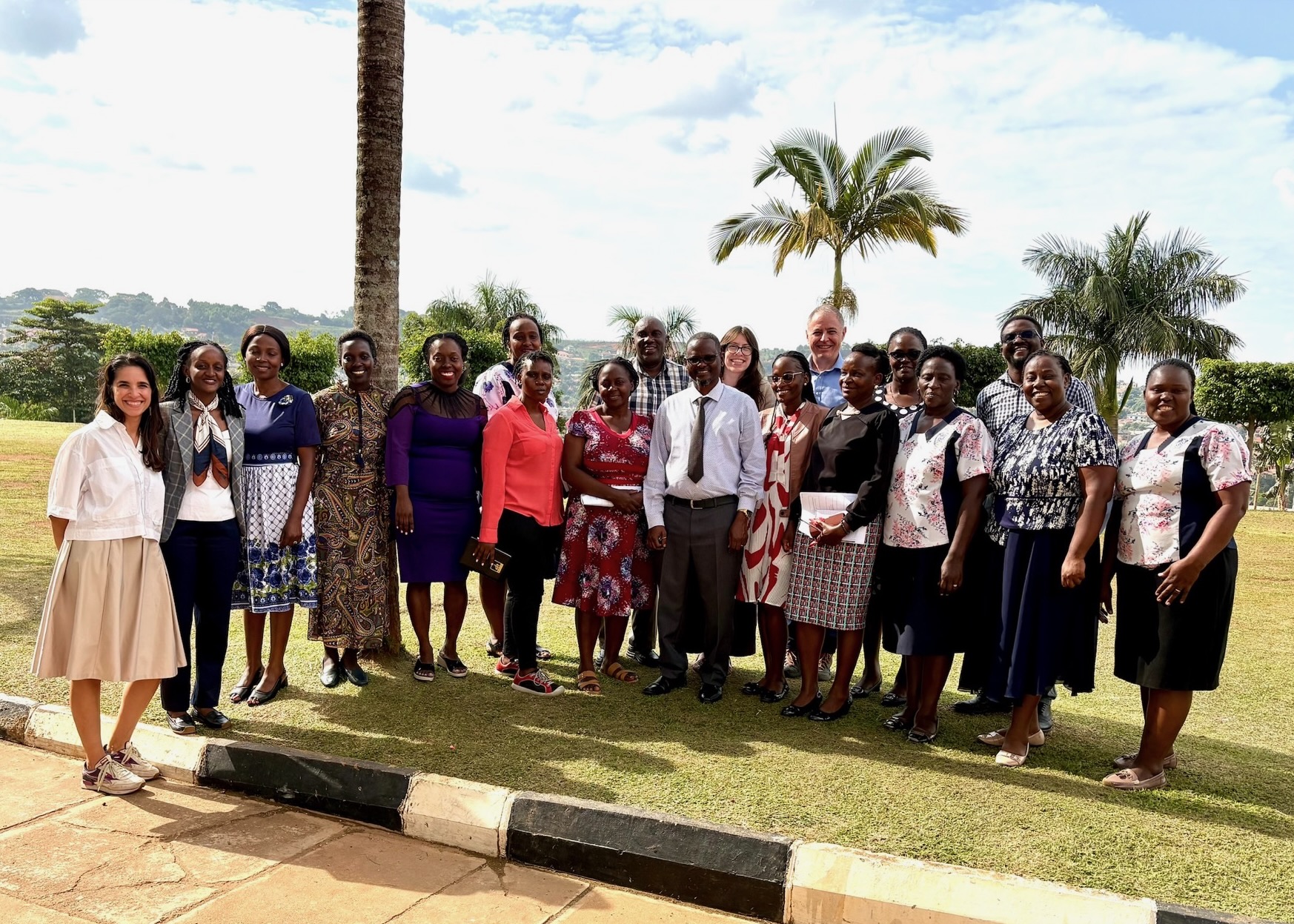
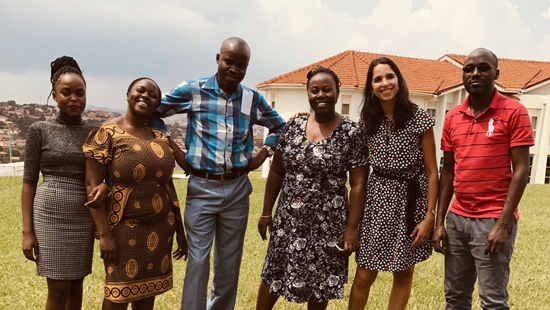
Collaborators from the Center for Global Pediatric Health and the Joint Clinical Research Center (JCRC) in Uganda explore neurocognitive challenges for young adults with HIV.
Leading the project is Sahera Dirajlal-Fargo, DO, co-director of the Center for Global Pediatric Health and associate professor in the Division of Pediatric Infectious Diseases at Northwestern University Feinberg School of Medicine.
“ENRICH+ is helping us answer a critical question: Why do so many adolescents and young adults with perinatally acquired HIV continue to face neurocognitive challenges despite viral suppression,”Dirajlal-Fargo said. “Our goal 20 years ago was keeping these children alive, now we want to make sure they thrive during their most productive years.”

Our goal 20 years ago was keeping these children alive, now we want to make sure they thrive during their most productive years.”
One important clue for the team is the immune system—even with successful treatment, some young people have ongoing inflammation that may affect the brain. Most of what is known about this comes from studies in adults who acquired HIV later in life, which is very different from being infected at birth while the brain and immune system are still developing. Young people in Uganda and other parts of sub-Saharan Africa also often face additional health, social and environmental hardships such as malaria, COVID-19, trauma, stigma, poverty, and pollution, and that can further strain the immune system and potentially impact brain health.
By understanding how lifelong HIV infection and exposure to multiple adversities shape the brain, the team aims to identify better targets for prevention and treatment. This work also strengthens partnerships between Ugandan and U.S. researchers and provides valuable training opportunities for the next generation of scientists focused on improving long-term outcomes for young people living with HIV.
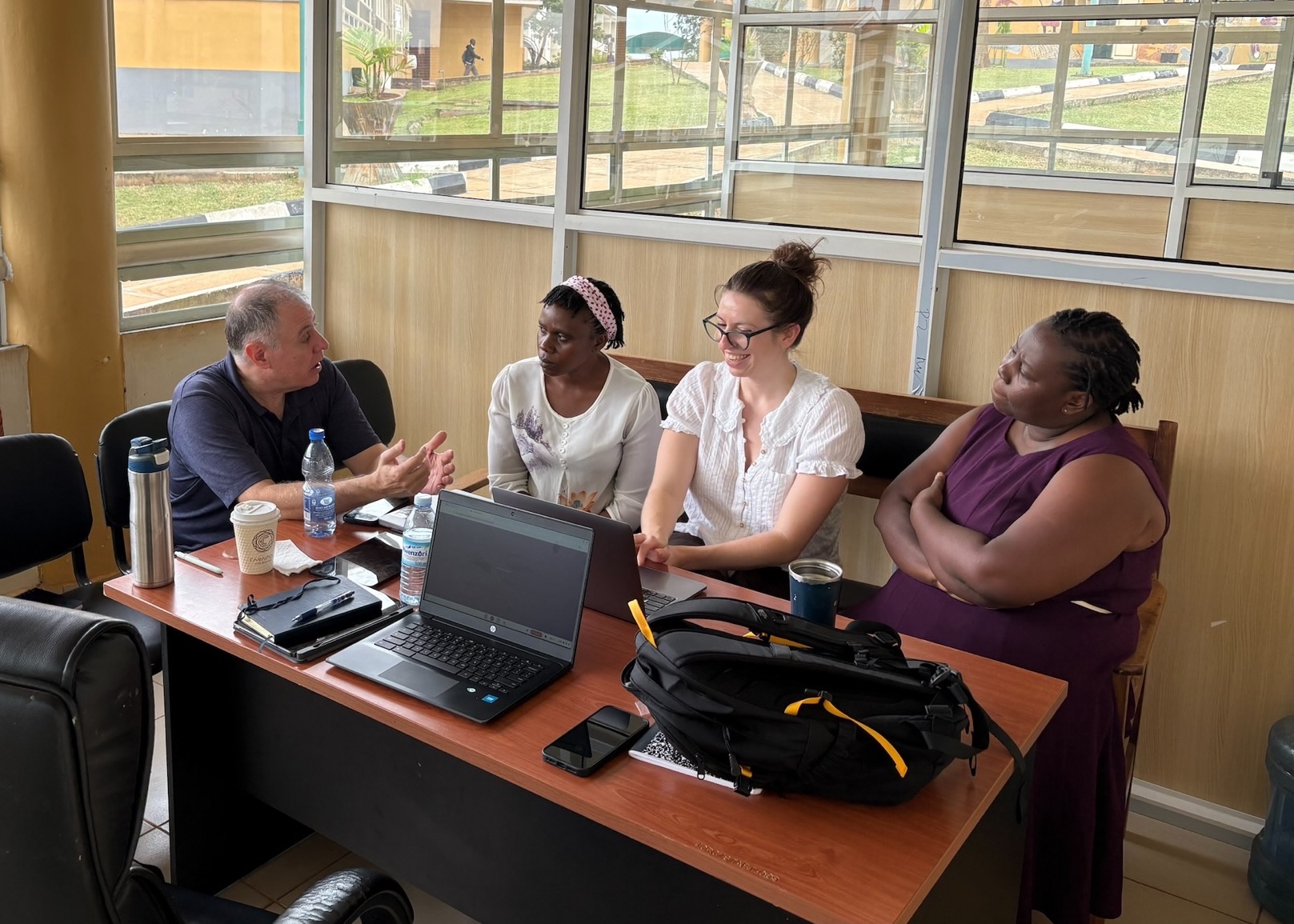
The ENRICH+ study compares immune function and thinking skills in teens and young adults with HIV from birth and those who acquired HIV later in life.
“Working with the Joint Clinical Research Center (JCRC) in Uganda allows us to study this issue in the context where it matters most and to build a collaborative network of Ugandan and U.S. scientists committed to improving outcomes for young people across sub-Saharan Africa,” Dirajlal-Fargo said.
The Center for Global Pediatric Health is a joint center between the Havey Institute for Global Health and Lurie Children's Hospital.
To learn more about the Center for Global Pediatric Health, visit their website.
For details on events, news and funding opportunities, sign up for the Havey Institute for Global Health newsletter.