Northwestern’s Health on the Roll Mobile Clinic Breaks Barriers to Cancer Prevention in West Africa
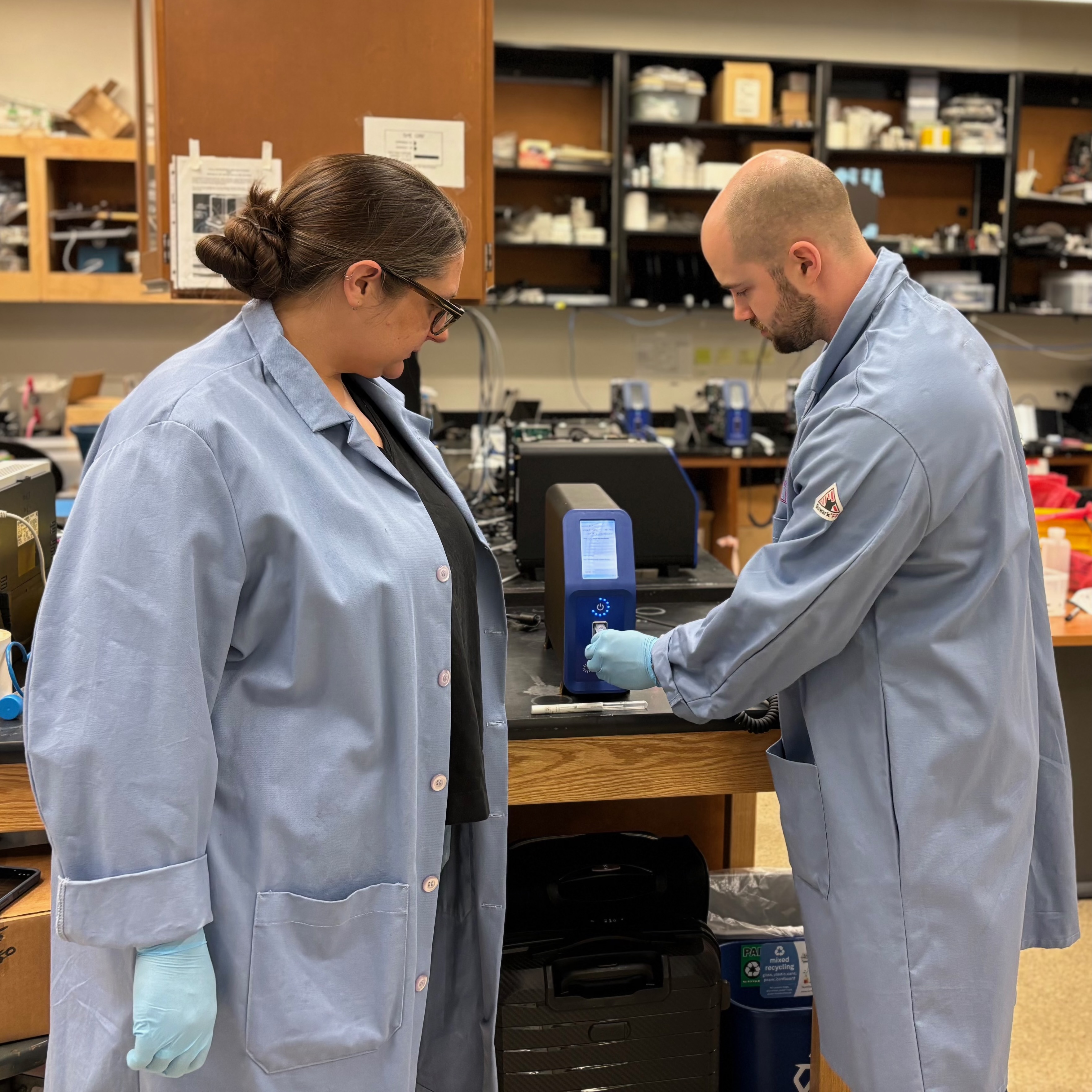
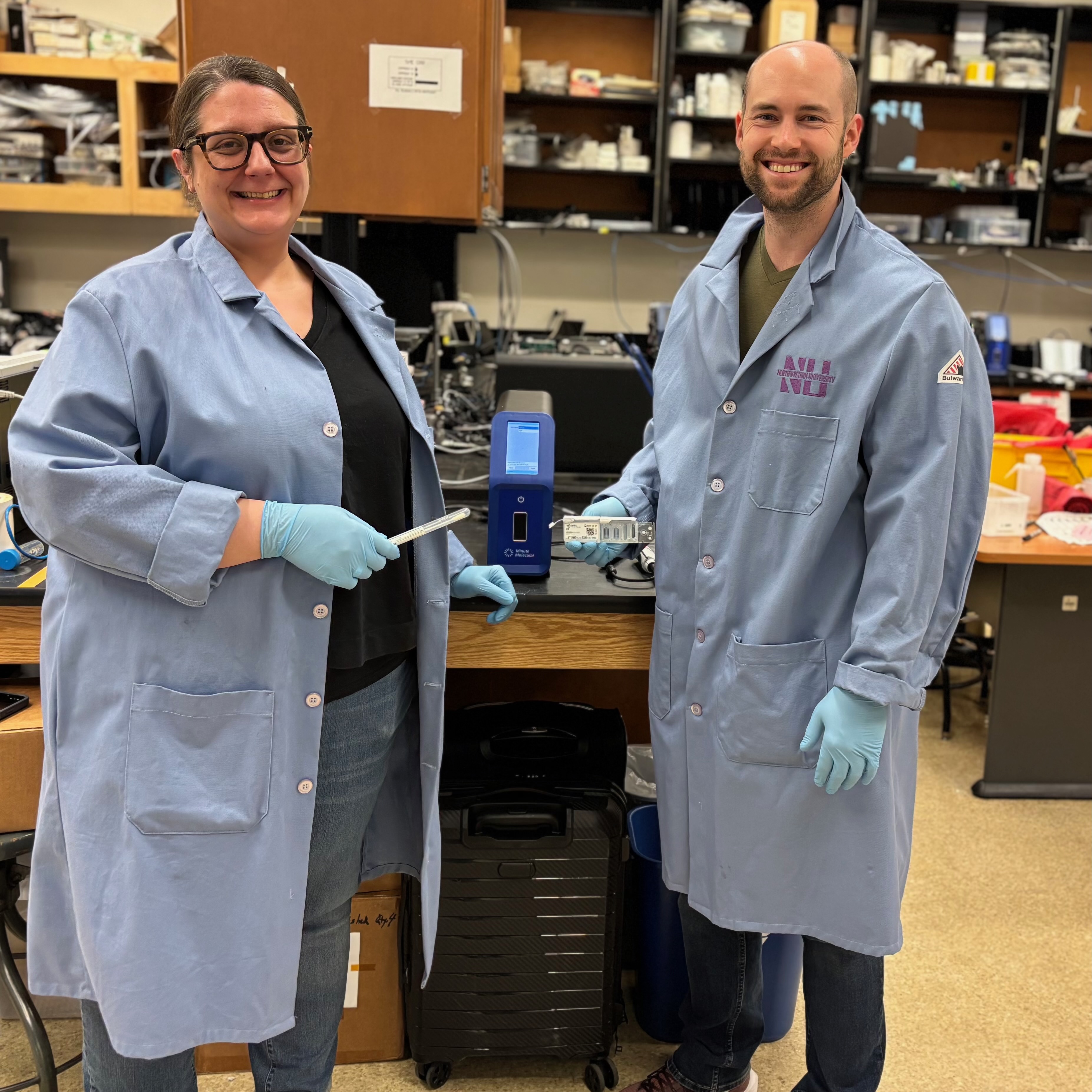
Since 2021, avian influenza virus has caused more than 300 million wild bird and domestic poultry losses, and with the potential to spread to humans, this massive global burden could create a major pandemic threat. A team from the Center for Innovation in Global Health Technologies (CIGHT) is developing an avian influenza test for quick and early diagnosis to prevent that. Led by principal investigator (PI) Sally McFall, PhD, co-director of CIGHT, the Development of an Avian Influenza Test for Point of Care Diagnosis team is devising a test for the DASH (Diagnostic Analyzer for Specific Hybridization) platform that detects highly pathogenic avian influenza (H5N1) from a nasal swab in as little as 15 minutes at the point of care.
CIGHT, a center within the McCormick School of Engineering and the Feinberg School of Medicine's Robert J. Havey, MD Institute for Global Health, prioritizes the integration of complex healthcare solutions with patients and medical practitioners globally.
“At the Center for Innovation in Global Health Technologies we work with engineers, scientists, and clinicians to develop diagnostic tools to address present and emerging threats,” McFall said.
Research collaborators include infectious disease experts Judd Hultquist, PhD, Dr. Robert L. Murphy Professor of Emerging Infectious Diseases and associate director of the Center for Pathogen Genomics and Microbial Evolution at the Havey Institute for Global Health; Jerry Cangelosi, PhD, professor emeritus in the department of environmental and occupational health sciences at the University of Washington; and Lesley Scott, BScHons, MSc, PhD, associate professor at the University of the Witwatersrand (Wits University) in South Africa and divisional director of research and diagnostic innovation at Wits Diagnostic Innovation Hub (DIH). Experts in evaluating new diagnostic technologies, Wits DIH encompasses a mission to accelerate access to affordable diagnostics translating new research ideas and methods into practical solutions that benefit society at large in South Africa and its regional and global partners. The collaboration between Northwestern and Wits DIH expands the reach of the project. This team brings a diversity of expertise in infectious diseases and biomedical engineering. The team aims to collect seasonal influenza specimens from a variety of settings. When the test development is complete, they will test for any that harbor avian influenza viruses.
“This work is essential because we need to be prepared for future pandemics,” McFall said. “We need to develop systems to detect such threats in non-crisis periods, not in the middle of an outbreak as occurred with the COVID pandemic.”

We need to develop systems to detect such threats in non-crisis periods, not in the middle of an outbreak as occurred with the COVID pandemic.”
Highly pathogenic avian influenza is a disease that can cross over to humans with the potential to cause a global pandemic. Most influenza tests do not distinguish highly pathogenic avian influenza virus from seasonal influenza virus; a positive result simply confirms an influenza virus infection. The DASH avian influenza test is designed as a reflex test when a patient tests positive for what is thought to be seasonal to monitor for a possible surge in avian influenza and/or for direct testing of individuals who have had potential exposure. This test increases public health surveillance capacity to catch an emerging human pathogen.
The research is funded by the Havey Institute for Global Health Global Innovation Challenge Award which has created opportunities for faculty who aim to catalyze research and educational programs. The award funds high-risk/high-reward research with $250,000 in funding for two-year projects.
The project is in the first of a two-year award. The Global Innovation Challenge Award has allowed the team to develop a test that distinguishes between seasonal influenza and highly pathogenic avian influenza. In the next year, they will continue to optimize the test for increased sensitivity, and Scott will validate the test performance at the Wits DIH.
This test’s potential application extends globally. Highly pathogenic avian influenza A(H5N1) virus infection has caused large-scale outbreaks in wild and domestic birds, resulting in mass deaths, culling events and economic losses in multiple regions. Viral spillover to mammals has become more frequent, including outbreaks involving mammal-to-mammal transmission such as in dairy cows and sporadic human infections.
“Our work could apply to any country in the world,” McFall said. “This DASH test is part of a preparedness response to detect and contain the next emerging pathogen and help to contain it before it becomes the next pandemic.”
To learn more about the Global Innovation Challenge Award, read IGH news stories highlighted throughout March and visit their website.
For details on events, news and funding opportunities, sign up for the Havey Institute for Global Health newsletter.