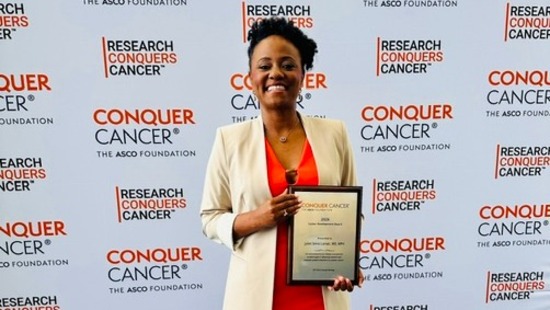
Lumati Awarded Career Development Award from ASCO’s Conquer Cancer Foundation
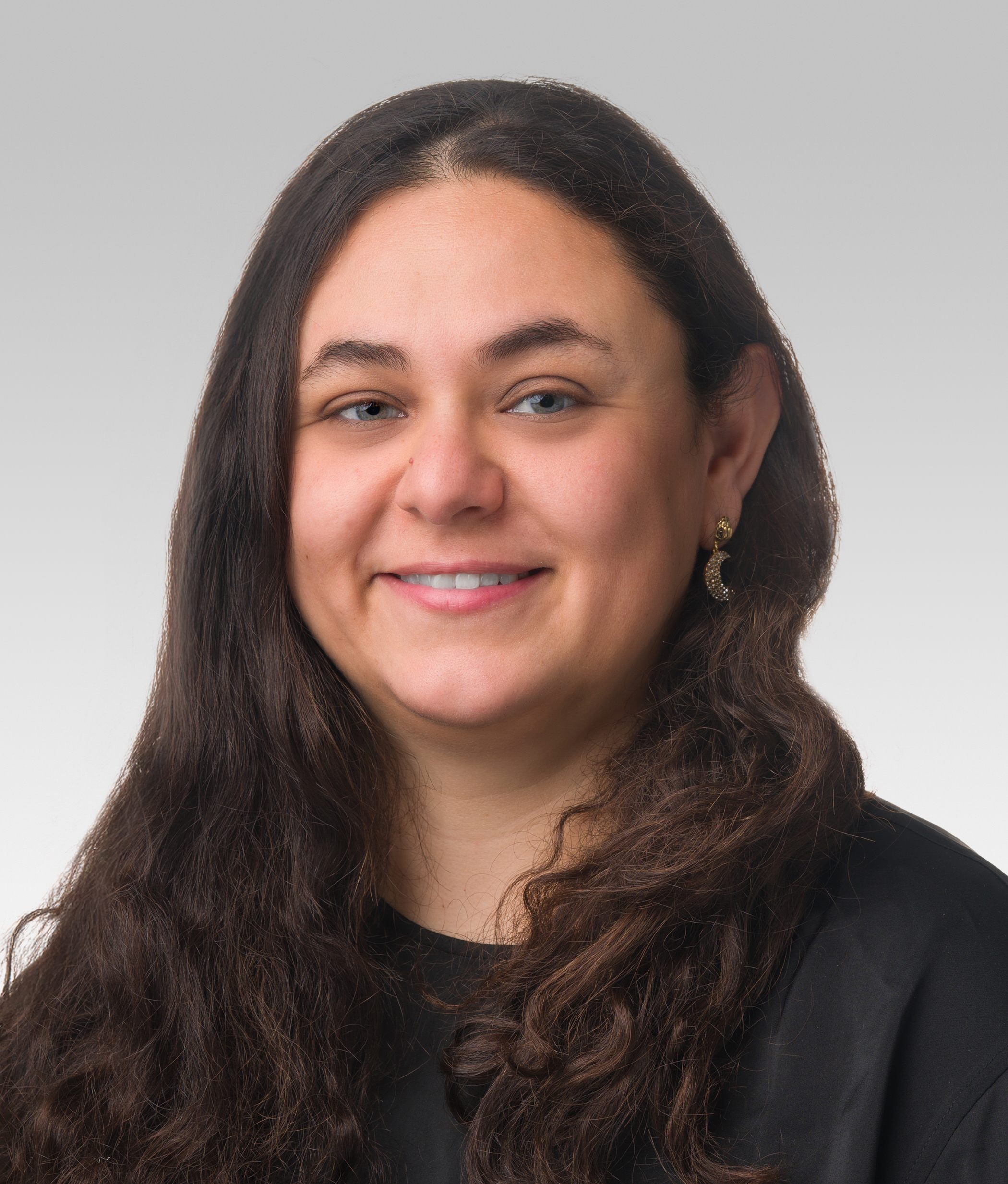
Farrah Mateen, MD, PhD, is chief of the Division of Multiple Sclerosis & Neuroimmunology and the Dr. Charles L. Mix Research Professor of Neurology at Northwestern University Feinberg School of Medicine. In June, she was appointed the director of the Center for Global Neurology, a new center within the Robert J. Havey, MD Institute for Global Health (IGH).
I find the humanitarian need for neurological care and disease prevention a pressing, unmet need that requires major rectification, particularly in underserved communities.”
How did you get involved in global health?
I was first inspired by differences in health equity growing up in Saskatchewan, Canada. In school I came to appreciate the differences in health outcomes experienced by the First Nations (Native American) communities in Canada’s North. Early in life, I traveled with my parents to parts of Central America, North Africa and the Middle East. I learned a lot about human development and health through those early travels. I decided then that I wanted to pursue work related to human geography and health.
What interests and motivates you about global health?
During high school I was inspired by Amartya Sen’s book, “Development as Freedom.” Many years later I became his research fellow after meeting him at a lecture he gave at the World Health Organization headquarters in Geneva, Switzerland. That was a very lucky break, and because he was willing to spend time with me early on in my career, I learned international academic engagement from him — both the hard work and the joy of it.
As a neurologist, I am particularly interested in “low-hanging fruit” for neurological disorders — such as diagnostics and treatment of epilepsy and multiple sclerosis — in the least developed countries. This includes point-of-care testing, delivery of essential medications and creating “minimum standards” guidance for the diagnosis and treatment of nervous system disorders in complex humanitarian settings.
What is the goal of your research?
My goal is to improve the outcomes of people living with serious neurological disorders through delivery of both already-available solutions found in the U.S. as well as innovative solutions that reduce cost, burden and time for patients who have few resources. Examples of this are point-of-care EEG (electroencephalography), portable brain MRI and filter paper-based antibody testing.
What countries or regions is your work focused on?
I have worked with collaborators in many countries and visited more than 30 countries to work or build capacity. However, my work has been concentrated in the Republic of Guinea in recent years, and I have collaborated with the Ignace Deen Hospital in Conakry since 2017.
Have you recently published any work?
One recent publication from Guinea explores epilepsy, and another publication shares commentary related to the U.S. about vaccine preventable diseases.
What types of collaborations are you engaged in across campus and beyond?
I have a growing team of students and staff. I have four undergraduate students joining my group this summer, including one supported by the Roberta Buffett Institute for Global Affairs as an undergraduate scholar.
I work closely with students, neurologists and other healthcare workers from many countries, including Guinea, Chad, Benin, Tanzania, Bhutan, Mongolia, Mexico and Malaysia.
Who inspires you?
I find the humanitarian need for neurological care and disease prevention a pressing, unmet need that requires major rectification, particularly in underserved communities. I believe it is a human rights issue.
Anything else to share?
It has been such a pleasure meeting students, faculty and advocates in the global health community across the Northwestern University campus.
Hear more from Mateen during the July virtual IGH Seminar, Global Neurology: New Center Opportunities, which will be held on Zoom Wednesday, July 15, and join the Center for Global Neurology for its inaugural event World Brain Day on Wednesday, July 22, in the Simpson Querrey Biomedical Research Center (303 E. Superior St, Chicago).
Learn about the Center for Global Neurology.
For details on events, news and funding opportunities, sign up for the Havey Institute for Global Health newsletter.
