Lumati Awarded Career Development Award from ASCO’s Conquer Cancer Foundation
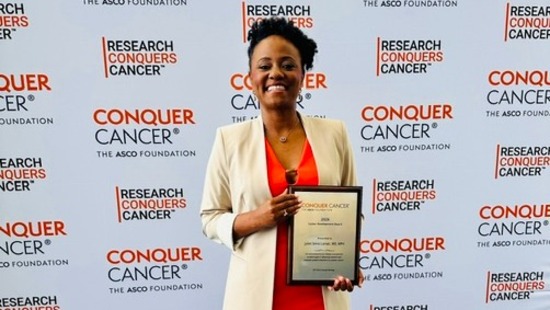
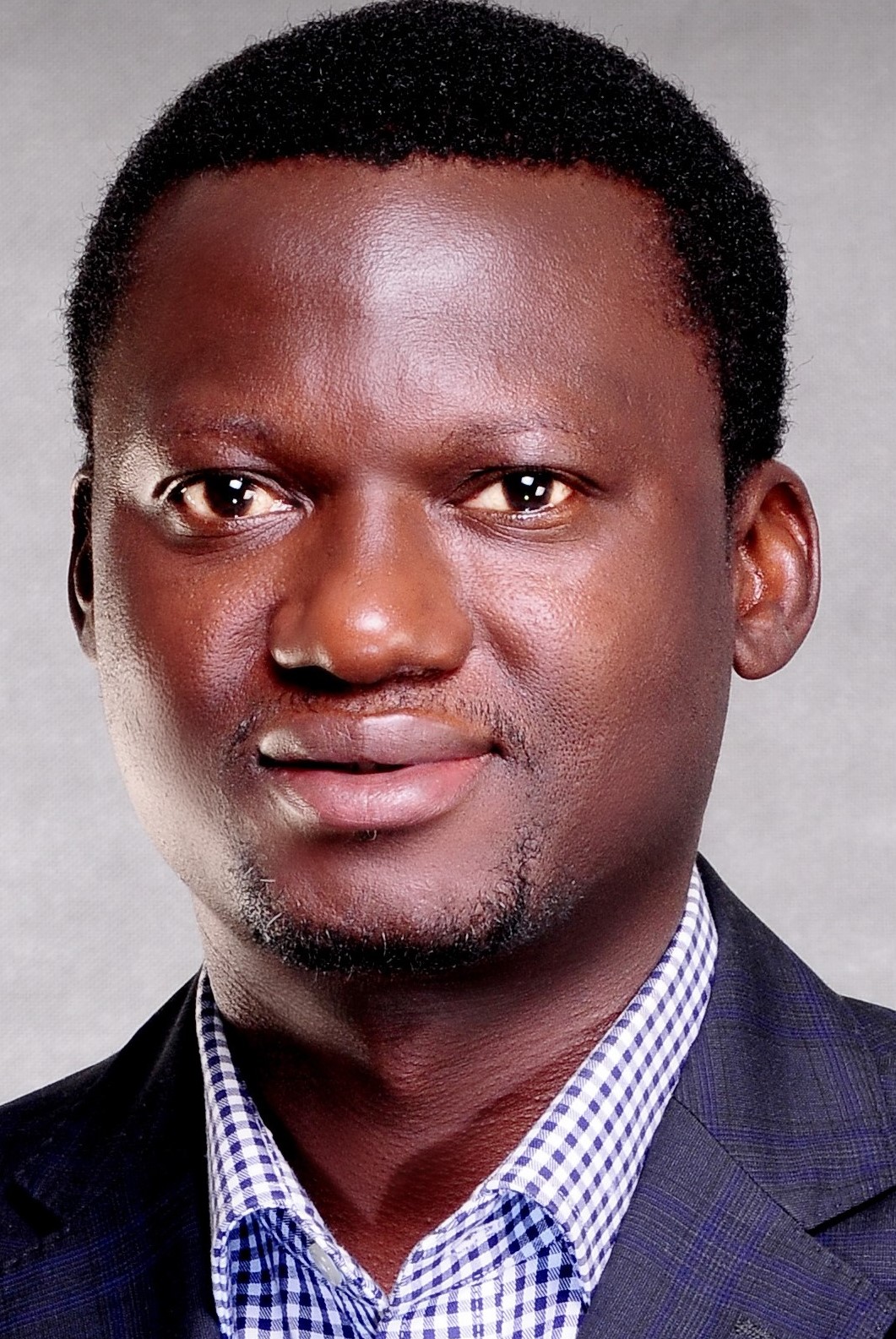
My research goal is to understand how individual, socioeconomic, environmental and genetic policy and healthcare system factors interact to influence the outcomes of HIV-and HPV-associated cancers in underserved vulnerable populations.”
How did you get involved in global health?
After completing my residency training in general obstetrics and gynecology at the Jos University Teaching Hospital in Nigeria, my first career job focused on identifying pregnant women with HIV infection and treating these women with appropriate antiretroviral medications (ARTs) for the purpose of preventing mother-to-child transmission of HIV (PMTCT). While making successful impact in PMTCT interventions, I noticed that these women were coming down with invasive cervical cancer at much younger ages compared to women without HIV. These anecdotal cases led to setting up the first HIV reproductive health unit within the adult HIV treatment and care program at Jos. We then started screening for cervical precancer and offering treatment as a standard of care for all HIV women treated under the PEPFAR program. This early career interest positioned me for graduate training in research, and I later became the first trainee of the Northwestern University AIDS International Training and Research Program (NU-AITRP), under the leadership and mentoring support of Robert Murphy, MD, executive director of IGH. Between 2008 and 2009, I completed a master of science in clinical investigations (MSCI) at the Feinberg School of Medicine and then returned to Jos to complete a pilot research project on the role of HPV DNA testing in the detection of high-grades cervical precancer in HIV women with prior normal cervical cytology with seed funding through Dr. Murphy’s grants and support. The findings of this pilot work were published in two related manuscripts that have contributed to the understanding of HIV, HPV and cervical cancer screening and prevention in Nigeria and globally. In addition, this career interest provided the opportunity for me to return to Northwestern in one of the early cohorts for the doctoral Health Sciences Integrated Program. Through the mentoring support of Dr. Murphy and the collaborative mentoring team support of the Feinberg faculty, I successfully completed my PhD program between 2014 and 2018. I remained committed to global health and returned to Nigeria, continuing my global health collaborative research work with Northwestern and expanding the network to other universities within Nigeria and across West Africa.
What interests and motivates you about global health?
Perhaps my greatest motivator in global health is having a distinguished global health leader as a mentor! As stated earlier, during my graduate research training at Feinberg, I was lucky and blessed to meet a mentor who demonstrated interest and commitment to my career success. Dr. Murphy not only motivated me in global health but also provided all the support I needed to work and succeed in my career in global health. He challenged my thoughts through difficult tasks, connected me to mentors with complementary expertise, provided opportunities for professional development and ensured my continuing career advancement amidst obstacles and challenges.
What is the goal of your research?
My research goal is to understand how individual, socioeconomic, environmental and genetic policy and healthcare system factors interact to influence the outcomes of HIV-and HPV-associated cancers in underserved vulnerable populations. By integrating background clinical experience with multidisciplinary research approaches, my research seeks to contribute evidence for improved prevention strategies, guide healthcare decision-making and strengthen healthcare systems globally.
What countries/regions is your work focused on?
My research work has focused on HIV populations in Nigeria and West Africa.
Have you recently published any work?
What types of collaborations are you engaged in across campus (and beyond)?
Although I am a new faculty member, Feinberg and IGH have been my collaborative homes for more than a decade. I have long-term mentors and collaborators from my primary department of Medicine, Division of Infectious Diseases, in Obstetrics and Gynecology, Preventive Medicine, Biomedical Engineering and Medical Social Sciences, and I am always happy to meet collaborators to work together in the interest of advancing scientific discoveries and finding solutions to improve human health locally and internationally.
Who inspires you?
In the years of my research training, collaboration and career advancement at Northwestern, I have worked with inspiring faculty, teachers, mentors and collaborators, but one that I cannot write my academic story without is Robert Murphy. He trained, mentored, supported and inspired me and many others; he is a mentor per excellence, and if “mentorship” is a name, I will give that name to Dr. Murphy!
Anything else to share?
In addition to my primary research interest, I also serve as strategic maternal advisor and co-lead to provide support for clinical improvement and develop a scale-up strategy for the Nigerian NEST 360 program. NEST 360 is currently being implemented in Nigeria, Kenya, Tanzania, Malawi and Ethiopia. These opportunities have further expanded my scope and impact on global maternal and neonatal health in Africa.
Learn about the Center for Global Oncology.
For details on events, news and funding opportunities, sign up for the Havey Institute for Global Health newsletter.
