How a Partnership is Tackling Global Health Across Borders and Disciplines
Inside the Stellenbosch–Northwestern Global Health Knowledge Hub
October 2026
“The challenges facing global health do not recognize national borders. Whether we are addressing infectious diseases, climate-related health impacts or inequities in healthcare access, no single institution or country can meet these challenges alone."
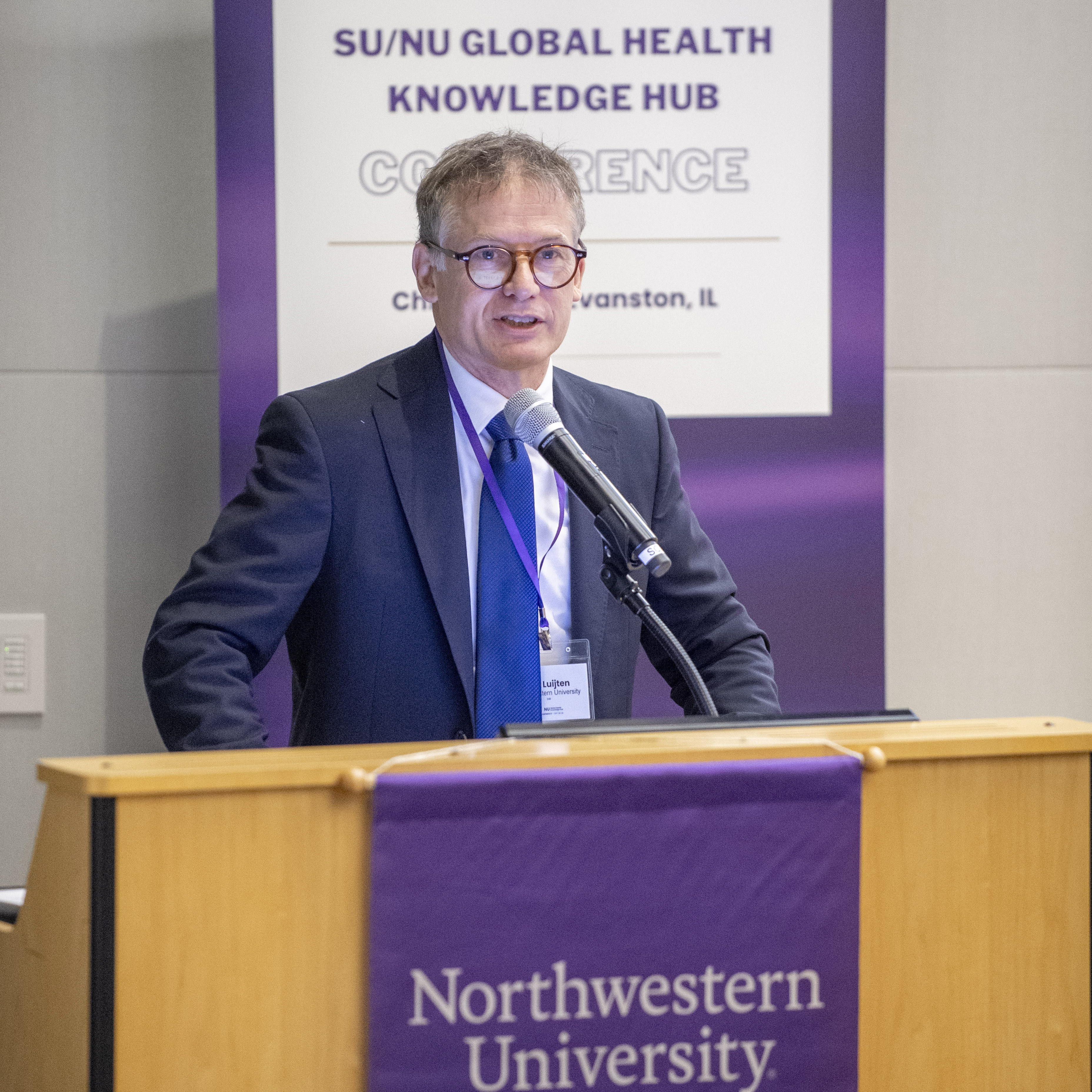
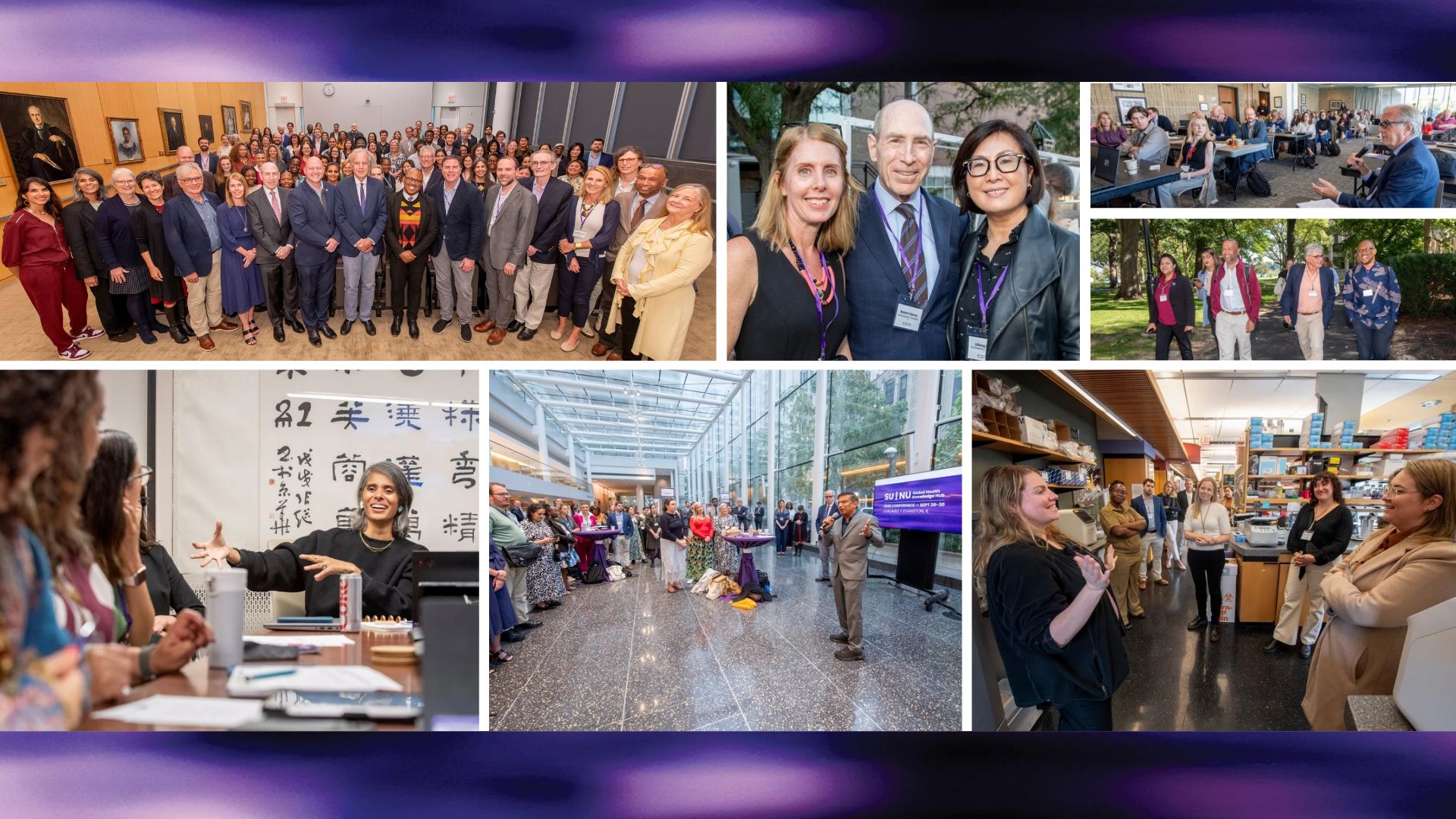
Northwestern Provost Erik Luijten’s opening remarks resonantly set the theme for the second SU/NU Global Health Knowledge Hub Conference, which took place September 28–30 across the Chicago and Evanston campuses.
Forty-four faculty, investigators, students and administrators from Stellenbosch University traveled from South Africa to join Northwestern colleagues to report and deliver on what the founding of the Hub and the first conference in Stellenbosch in March 2025 set out to do: to formally build on two decades of earlier work to produce new research, expand to new disciplines, apply for joint funding and commit infrastructure and resources for bi-directional mobility and knowledge exchange.
The conversations during those three days ranged widely from collecting samples and data in the field for medical research to training health professions educators. Some participants were already active in one of the five working groups that were under way — each at a different stage of collaboration — while others, especially early-career researchers and students, joined existing groups to discuss opportunities for new groups and themes.
From proof of concept to WHO recommendation
One area the partnership has supported for several years reached global policy this past spring. In March 2026, the World Health Organization recommended using tongue swabs as an alternative to sputum for tuberculosis (TB) testing, aimed at the roughly 30 percent of people being tested for TB who cannot produce sputum.
Much of the work that led to that policy change was achieved by a network of organizations and institutes, including the National Institutes of Health-funded Center for Innovation in Point-of-Care Technologies for HIV/AIDS and Emerging Infectious Diseases (C-THAN), co-led by Chad Achenbach, MD, MPH, professor of Medicine in the Division of Infectious Diseases and of Preventive Medicine and associate director of the Robert J. Havey, MD Institute for Global Health; Robert Murphy, MD, the John Philip Phair Professor of Infectious Diseases; and Sally McFall, PhD, research professor of Biomedical Engineering and co-director of the Havey Institute for Global Health’s Center for Innovation in Global Health Technologies.
Stellenbosch University has been one of C-THAN’s founding African sites since 2018, with Grant Theron, PhD, professor of Molecular Biology and Human Genetics, serving as the South Africa regional liaison. With C-THAN funding, Theron, Jerry Cangelosi, PhD, professor emeritus of Environmental and Occupational Health Sciences at the University of Washington, and colleagues set out to improve the diagnostic yield of tongue swabs as TB specimens.
They worked with Matt Glucksberg, PhD, professor of Biomedical Engineering and co-director of the Center for Innovation in Global Health Technologies, to facilitate scale-up and improve the testing workflow.
During field testing, the team ran into a practical challenge: safely removing the swab from the tube. To find a solution, Glucksberg brought in Northwestern biomedical engineering students to help develop a prototype swab removal device. That kind of hands-on, cross-border problem-solving now has a permanent home at Stellenbosch.
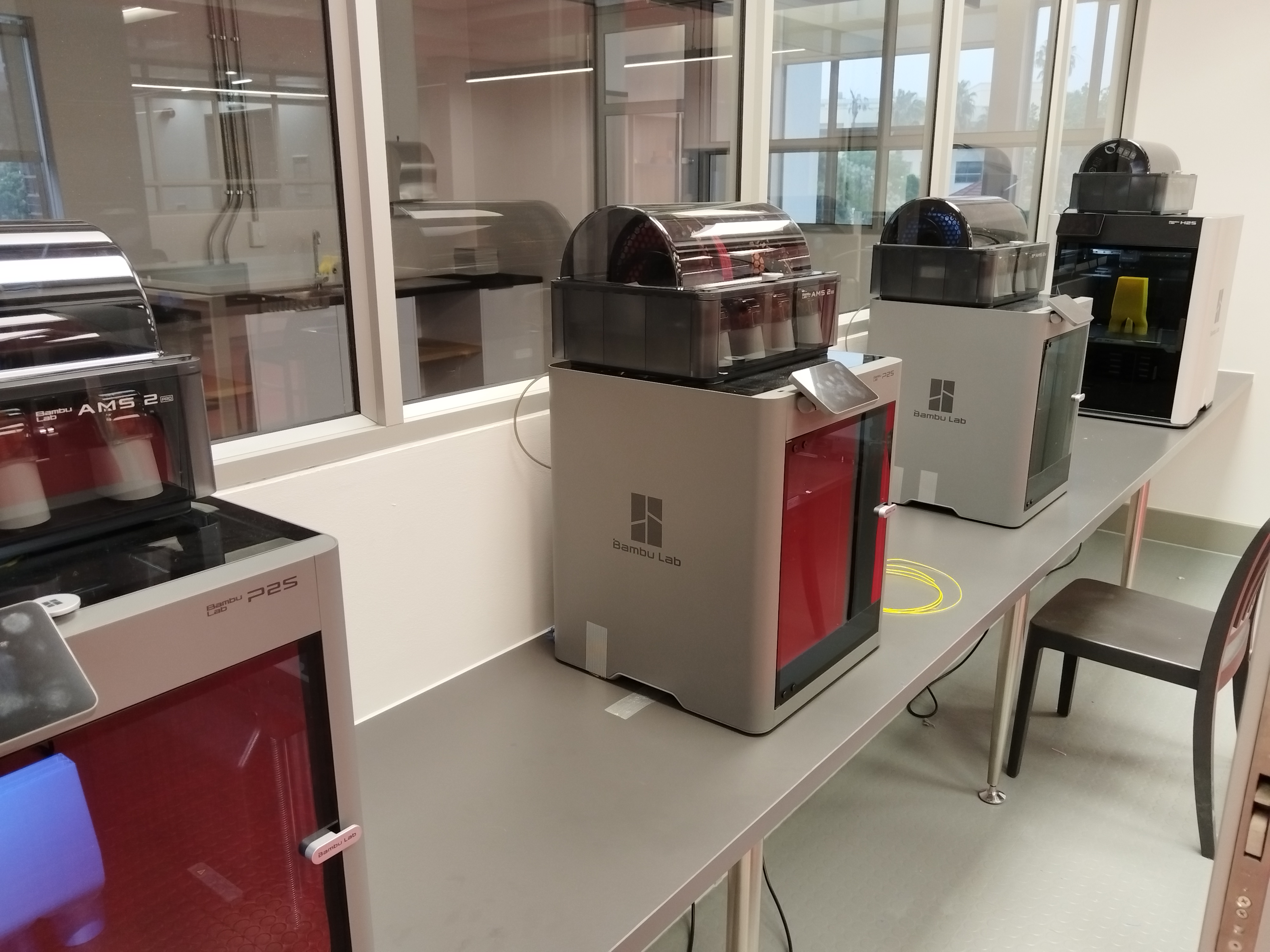
With support from a Havey Institute for Global Health Catalyzer grant, Glucksberg and Kristiaan Schreve, PhD, professor of Mechanical and Mechatronic Engineering and director of the Institute for Biomedical Engineering at Stellenbosch, are outfitting a biomedical engineering makerspace for students from both universities to design medical diagnostic tools together. Makerspaces equipped with rapid prototyping tools like 3D printers and laser cutters have become an essential part of product development and engineering education because they greatly shorten both the time and cost of bringing designs to market. The space brings students together to experiment with their prototypes while immersing themselves in the practical problems of manufacturing the product. If the tongue swab is any guide, the next tool to change global health practice may well start as a prototype developed by students in this space.
A partnership born at a conference: the Human Longevity Lab
Conferences spark ideas and collaborations. Some take time to build; others hit the ground running. The partnership between Nicola Plastow, PhD, MSc, associate professor of Occupational Therapy at Stellenbosch University, and John Wilkins, MD, MSc, director of research at the Human Longevity Laboratory (HLL) at Northwestern’s Potocsnak Longevity Institute, was the second kind. The two met on a healthy-aging panel at the 2025 Hub conference in Stellenbosch, clicked and, together with Kathleen Howard, program manager at Northwestern’s Human Longevity Laboratory, immediately began discussing the potential of building a longevity lab in Cape Town to study aging in Africa.
Plastow brought in colleagues from Stellenbosch and the University of Cape Town. The group met every two weeks for a year, preparing a joint protocol and funding applications.
At the conference in September, Howard and Plastow described the work as a two-way exchange. Northwestern contributed protocol and operational expertise — the HLL team had already provided the guidance to set up similar labs in Chicago, Miami and one near Tokyo in Japan. Stellenbosch brought the missing piece of expertise in community engagement.
The Human Longevity Lab – Africa, the first aging-focused clinical research laboratory in Africa, is now being set up at Stellenbosch University’s Faculty of Medicine and Health Sciences’ Tygerberg Campus in Cape Town. The need is pressing: only two South African universities currently train geriatric specialists, and less than 10 percent of global aging research comes from Africa. For Plastow, the mission is clear: “an Africa where all people have the opportunity to age well.”
The project became part of the Primary Care working group, led by Lisa Hirschhorn, MD, MPH, professor of Medical Social Sciences in the Division of Implementation Science and of Psychiatry and Behavioral Sciences, and director of the Ryan Family Center for Global Primary Care at the Havey Institute for Global Health, and Bob Mash, MBChB, PhD, distinguished professor of Family Medicine and Primary Care at Stellenbosch University. The collaboration led to the new working group theme, Primary Care Across the Lifespan.
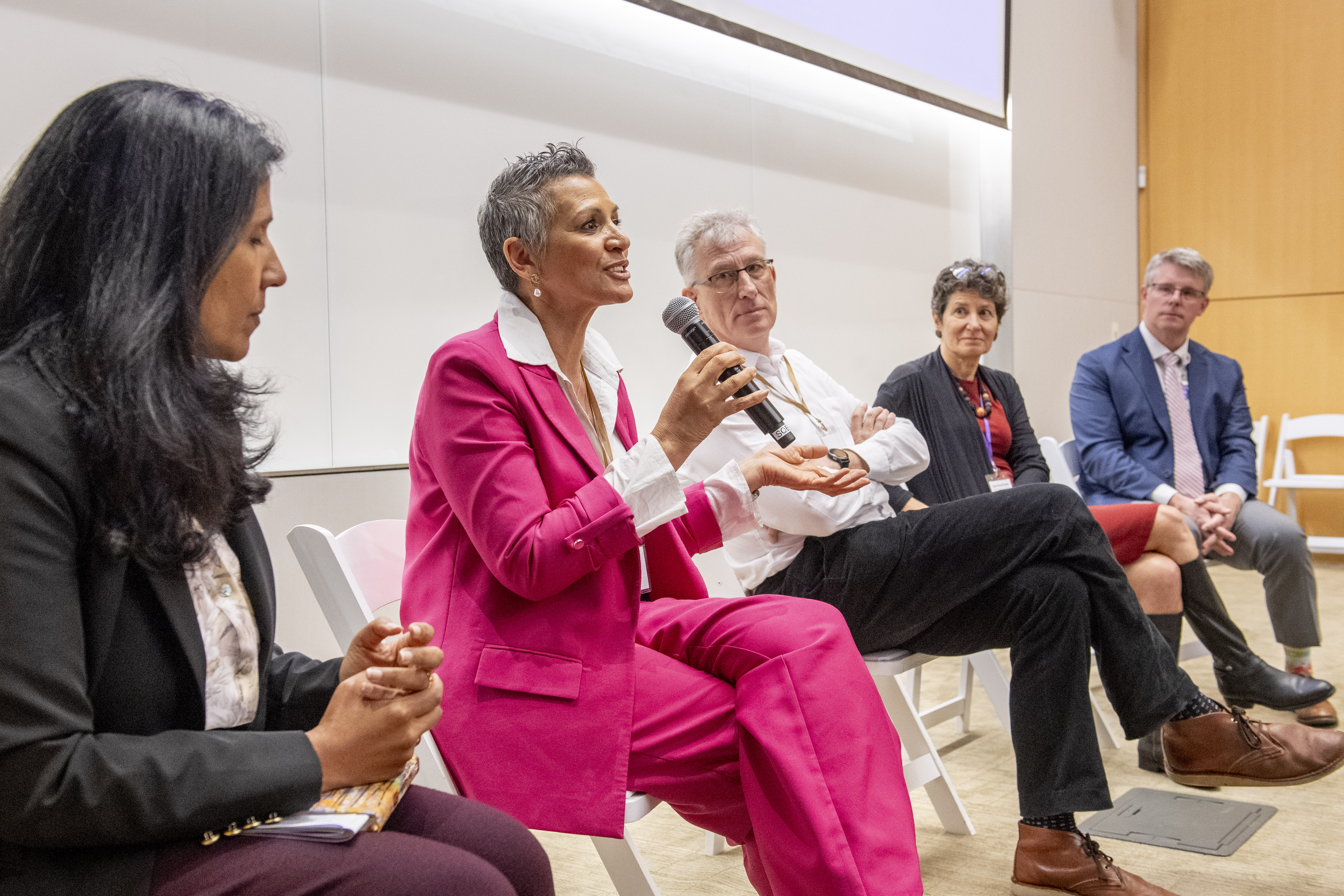
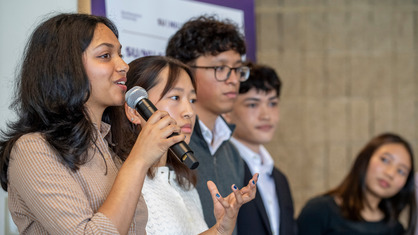
The Primary Care Across the Lifespan panel presenting in the Simpson Querrey Auditorium on Wednesday, September 30.
Training the trainers: a multiplying impact
The theme of expanding access to care through education ran throughout the conference, but for one group, this is central to its mission. The Health Professions Education group focuses on building capacity among health professions educators throughout the continent of Africa through mentorship programs and train-the-trainer models. The group is co-led by Ashti Doobay-Persaud, MD, professor of Medicine and Medical Education and co-director of the Havey Institute for Global Health’s Center for Global Health Education, and Firdouza Waggie, PhD, associate professor and executive head of the Department of Health Professions Education at Stellenbosch University.
The group’s latest project strengthens the Africa ECHO Network for Health Professions Education. This project was initiated by Doobay-Persaud and Ian Couper, MBBCh, professor of Rural Health at Stellenbosch, and funded by a $25,000 Global Health Project Award. The network adapts the Project ECHO model, which links experts with clinicians spread across wide geographic areas, into a virtual community of practice where educators learn from one another. The team will evaluate the current model, use the findings to shape curriculum development, and establish a sustainable home for ECHO at Stellenbosch while expanding its reach across educational institutions in countries across Africa.
Climate, Health & Engineering group reports on early progress
The Climate, Health & Engineering working group is one of the partnership’s newer groups, established in 2025. It is led by Kimberly Gray, PhD, professor of Civil and Environmental Engineering at Northwestern, and Marelize Botes, PhD, senior project manager at the Stellenbosch University Water Institute.
At the conference, Gray explained the group uses the term “health” in its broadest sense, both ecological and human. “As we all know, you can’t really promote human health in a very unhealthy environment,” she said.
That thinking shapes the group’s larger vision: to link different environmental hazards, such as heat, flooding, drought, air pollution and invasive species, to specific health outcomes. Members also stressed the need to match health proxy data, such as pharmacy sales, with clinical and environmental datasets to improve overall disease surveillance and forecasting.
Gray and Botes have already started collaborating on a project at the Water Institute that links river water quality to animal and human health, and are preparing a Global Health Research Catalyzer award proposal. The project takes a One Health approach, which looks holistically at the health of humans, animals and their shared environment.
The same philosophy carries into a new study abroad program on Climate and Health in South Africa for Northwestern students. Taught by Stellenbosch University experts, the program examines how a rapidly changing climate affects ecological and human health, and how pressing environmental issues affect urban, rural and village communities in the Western Cape.
For Botes, their work is part of a bigger mission. “I think the future lies in Africa,” she said, adding that through its collaboration with Northwestern, “Stellenbosch can start small, think big and get there.”
Funding seeds collaboration, discovery and student mobility
Many of these initiatives have been made possible and furthered through a Global Innovation Challenge, Global Health Research Catalyzer or Global Health Project Award, funded by the Havey Institute for Global Health. Ten projects, each pairing Northwestern and Stellenbosch researchers, have been funded since the Hub’s creation, totaling $925,000 in awards. In addition to the Human Longevity Lab, the student makerspace at Stellenbosch and the point-of-care tools for TB and HIV, awards were given for projects ranging from physician training to technology improvements to student scholarships.
During the conference, Murphy, who is also executive director of the Havey Institute for Global Health, explained the application process is deliberately simple. The only requirement, he noted, is a faculty member from each university. With Stellenbosch committing support from its Strategic Fund for Partners for 2027–2029, the partnership is set to keep growing.

Looking ahead
The Hub plans to expand further. Areas under discussion include One Health, data science and AI, health innovation and entrepreneurship, health financing and policy, bioethics and medical humanities.
The Hub’s steering committee met on the last day of the conference to set concrete goals for the next year and a vision for the next decade. Priority areas that emerged include bringing in junior researchers, new fields and new mobility programs while continuing the most important work of all: sustainably building a pipeline from students to senior researchers who identify healthcare gaps together and work jointly to close them. That means strengthening the already broad interdisciplinarity of the collaborations, adding fields such as data science and AI that can connect the working groups, and spreading knowledge widely through more mobility programs for students at all levels and additional fellowships and grants for early-career researchers.
Kanshukan Rajaratnam, PhD, chief academic director of Stellenbosch’s School for Data Science and Computational Thinking, joined the Global Oncology group during the conference — without an oncology background. He framed global health as a matter of global peace and security and urged colleagues to bring in disciplines not yet in the room. The group, led by Northwestern’s Lifang Hou, MD, PhD, director of the Center for Global Oncology at the Havey Institute for Global Health, and Kate Klein, administrative director at the Havey Institute for Global Health, together with Stellenbosch's Rajaratnam and Hennie Botha, professor of Obstetrics and Gynaecology, immediately set ambitious goals, including grant applications on AI for cancer care in the coming months.
Throughout, the partnership has been guided by complementarity and reciprocity. Thulani Makhalanyane, PhD, professor of Microbiology and South African Research Chair in African Microbiome Innovation at Stellenbosch and the head of the visiting delegation, captured it in one question: “What can we build together that neither of our individual institutions can do separately?”
If this was a question in a multiple-choice quiz, the answer would be “all of the above.” This year’s conference showed that the list of answers is long and still growing.
Explore Global Health Podcast: Conference Bonus Episodes
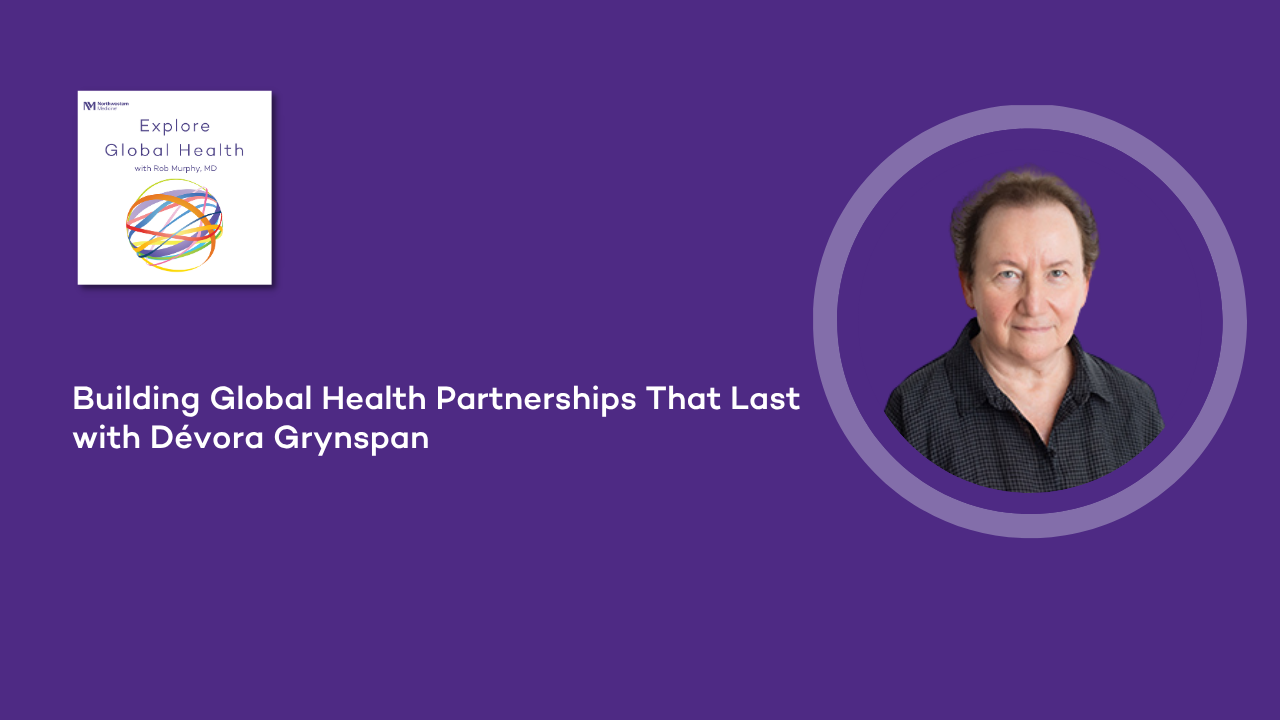

During the conference, Robert Murphy recorded a miniseries of bonus episodes of his popular Explore Global Health podcast. The first two episodes have been released. Four more featuring Stellenbosch University delegates are scheduled to drop over the coming weeks:
- Firdouza Waggie, Executive Head, Department of Health Professions Education
- Kanshukan Rajaratnam, Chief Academic Director, School for Data Science and Computational Thinking,
- Caitlin October, PhD Candidate, Division of Immunology
- Thulani Makhalanyane, South African Research Chair in African Microbiome Innovation
To learn about the SU/NU Global Health Knowledge Hub Conference, visit their website.
For details on events, news and funding opportunities, sign up for the Havey Institute for Global Health newsletter.